An Inner Home

For the first time in over two years I am going on leave today. Like real leave. Not opening my computer at 5am-and-tutoring-leave. Not answering-urgent-emails-while-hiking-leave. Not lying-in-bed-thinking-of-new-ideas-leave, or marking-papers-while-my-child-sleeps-leave.
I am going on actual leave.
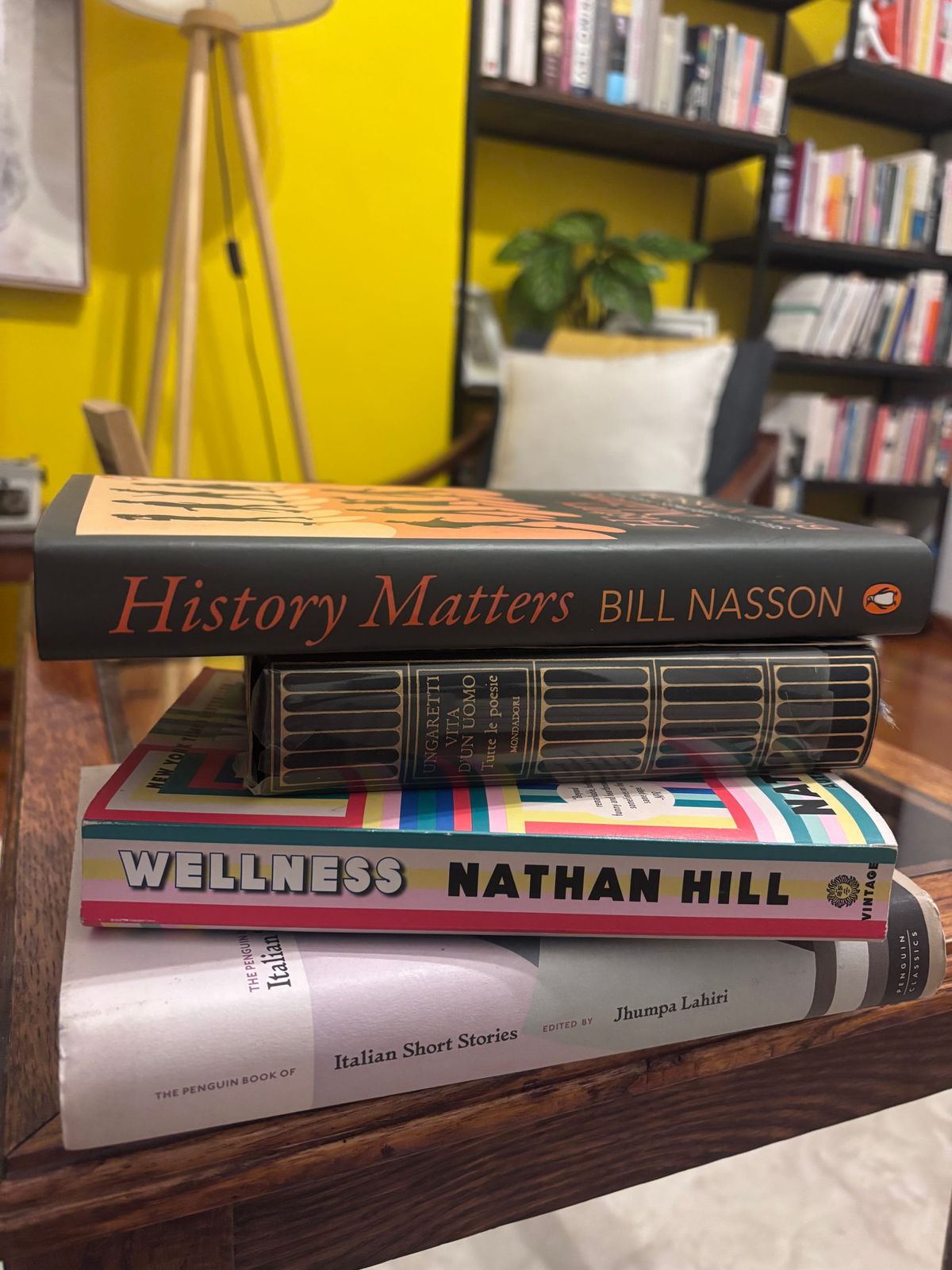
And, as used to be the case before the (fr)agile age, I have spent most of this week debating which books I am going to take with me, forgetting, of course, that I will have my small family in tow, and that my once quiet and tolerant 1 year old is now an active and demanding 4 year old, and in all likelihood reading will be a furtive luxury for early hours and late nights.
Nevertheless, the exercise of talking to my bookcases has been revealing.
In many respects, my bookcases are living, breathing witnesses to my life. They reflect past literary obsessions (Gabriel Garcia Marquez in my late teens, Milan Kundera in my early twenties, Elena Ferrante and Deborah Levy in my early thirties, Jhumpa Lahiri and Claire Messud in more recent times). They remind me of educationalists who inculcated in me a profound appreciation for the written word (James Joyce takes me to Eric Mace-Tessler's A1 class in Duino, Dante to long afternoons with the mythical Nelia Saxby). They trigger nostalgia for both my lived and unlived lives, and returning to them feels like returning to an inner home.
And yet, for all their eloquence, the bookcases stay silent on the only question that really matters, which is not which book I will take but which version of myself I am packing it for. The girl who read Joyce at seventeen, certain that literature was a country she would one day emigrate to for good? Or the woman who now reads in the margins of the day, a paragraph in a waiting room, a stolen page while the kettle comes to the boil?
I suspect I will do what I always do: take far too many, and open almost none. One of them will make the trip regardless, as it makes every trip, its spine gone soft as cloth from the carrying, and I will walk it down to the sea and back without reading a line, the way you might carry a passport into a country you have no intention of entering, simply to feel the border sitting there in your bag.
Because this, I have come to think, is what the reading self becomes once there is a small hand folded into yours: not a house you live in any more but one you keep, the lights left burning in its windows. And leave, real leave, actual leave, is the permission to walk back in for a while, to find the rooms exactly as I left them and warmer for the waiting. My no-longer-quiet four year old will pull me down towards the water long before I finish a chapter, and I will go gladly, because I am learning that the house does not close when I step out of it.
It simply widens to let the others in.